







Search Results for: Pre-Blend vs Post-Blend Roasting

How to Choose Espresso Beans? Blends vs. SOE Differences and a Guide to Four Front Street Coffee Espresso Bean Recommendations
To make an espresso with a balanced mix of acidity, sweetness, and bitterness, choosing the beans is the first step. Espresso beans mainly fall into two categories: SOEs that highlight a specific region's flavors, and blends that aim for a balanced taste—most cafés go with the latter. The reason is that blends can make up for the shortcomings of a single origin's incomplete flavor profile, while also keeping the taste consistent year-round. When it comes to roasting, blends follow two paths—pre-blending raw beans or post-blending roasted beans—each with its own trade-offs. Front Street Coffee offers four blends for different needs: Sunflower Warm Sun, Specialty Blend, Commercial Blend, and Black Cocoa Blend, each suited to different shops and home scenarios. This article will walk you through all of this systematically to help you find the espresso bean that's right for you. [more…]
How to make espresso blend beans? Roasting techniques for raw blending and post-roast blending, plus four recommended medium-roast espresso beans
A balanced espresso requires acidity, body, and sweetness in equal measure, and it all starts with choosing the right coffee beans. Single-origin beans are certainly appealing in pour-over, but when used for espresso they often lack complexity, which is why blending beans from different origins is common practice. This article focuses on espresso blends, first explaining what blended beans are and their characteristics, then taking a deeper look at the pros and cons of the two roasting approaches—"blending raw beans" versus "blending roasted beans"—and the scenarios each suits, and finally sharing four medium-roast espresso blends that Front Street Coffee has launched based on practical needs, including Sunflower Warm Sun, Specialty Blend, Commercial Blend, and Dark Cocoa Blend, introducing each one's recipe ratios, blending method, and flavor performance, for the reference of coffee enthusiasts and coffee shops. [more…]
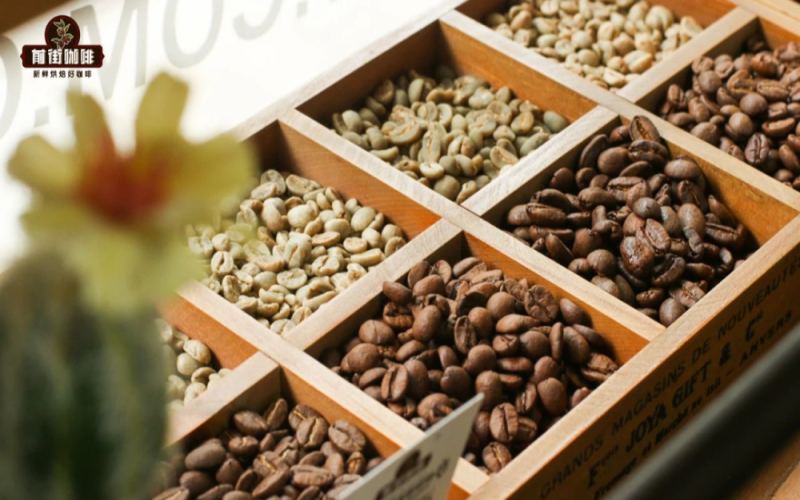
Italian-style blend coffee beans vs. single-origin beans: how to choose? Analyzing blending principles and extraction flavor through Front Street Coffee's four recipes
Which tastes better: single-origin coffee beans or formula beans (blended coffee beans)? This is a common question for many coffee enthusiasts when they are just getting started. This article begins with the history of coffee blending, sorts out the definition of espresso blend coffee beans, the four major blending principles, and the preparation steps before blending, and uses Yunnan small-bean coffee as an example to explain how to design an espresso recipe. It then combines Front Street Coffee's four espresso blends—Black Cocoa Blend, Commercial Blend, Specialty Blend, and Sunflower Warm Sun Blend—to provide flavor descriptions and recipe ratios one by one, and finally includes Front Street's espresso extraction parameters for coffee enthusiasts to refer to and compare. [more…]
Espresso Blend Bean Beginner's Guide: Blending Philosophy, Roasting Methods, and Common Bean Combinations Explained
Many coffee enthusiasts are unclear about the difference between espresso and single-origin coffee, and don't know which coffee beans are suitable for making espresso. This article, from the perspective of Front Street, will systematically explain the definition of espresso beans, the roasting methods for blended beans (raw blend and roasted blend), the design principles of blend ratios, and the characteristics of three types: Arabica-Robusta blends, 100% Arabica blends, and single-origin espresso SOE. At the same time, the article will also introduce several popular espresso blends from Front Street Coffee to help readers make choices based on their own taste preferences. Whether you are a beginner just getting into espresso or an advanced player hoping to deepen your understanding of the art of blending, you can gain practical knowledge and reference from it. [more…]

Can Espresso Blend Beans Be Used for Pour-Over? A Full Breakdown of the R&D Process for a Yunnan Typica Autumn Pour-Over Blend
Many people assume that blended coffee beans can only be used for espresso, but Front Street Coffee has proven through actual research and development that pour-over can also handle blended beans. This article provides a complete record of Front Street's process in developing an autumn pour-over blend: from determining Yunnan Typica as the base bean, to pairing it with Yirgacheffe Kochere and Gesha Village Red Label Natural Geisha, and then to the repeated adjustments of the raw blend roasting curve and cupping verification. You will see the blending approach, the logic behind selecting the base and companion beans, the trade-offs between raw blending and roasted blending, the details of the roasting parameters, and the final flavor expression of black tea, cocoa, caramel, and jackfruit. [more…]
A Complete Guide to Espresso Blend Coffee Beans: From Raw and Roasted Blending to Classic Recipes and Flavor Pairing
The essence of espresso often lies in the blend—skillfully combining coffee beans of different varieties or roast levels so that their flavors complement one another. This article systematically explains the two blending processes for blend beans (pre-roast blending and post-roast blending), the differences in resting time, and the three main approaches to blending coffee: using a base bean as the core, combining beans with opposite characteristics, and blending similar beans while adding distinctive flavors. It also provides classic espresso recipe ratios for three types—bright and acidic, balanced, and bitter-leaning—and mentions recommendations from the Front Street brand. Whether you are a coffee enthusiast or a professional, you can find practical blending inspiration here. [more…]
Espresso Blend Coffee Roasting in Practice: Analysis of Raw Blend Strategies, Density Difference Handling, and Development Rate Control Points
The roasting of espresso blends centers on balancing the density, size, and flavor direction of different bean varieties. Starting from the choice between pre-blend and post-blend, this article combines the blending case of Front Street Colombia Medellin and Front Street Ethiopia Yirgacheffe to break down in detail the logic of adjusting heat, airflow, and moisture during roasting, as well as how to handle combinations of green beans with large density differences through stages such as steaming, heat pushing, and gliding. The article also presents an espresso blend roasting approach with a development ratio controlled at around 25%, and includes measured espresso extraction parameters and flavor descriptions, making it suitable for enthusiasts who wish to gain a deeper understanding of espresso blend roasting. [more…]
Beginner's Guide to Espresso Blend Beans: A Detailed Explanation of Blending Logic, Roasting Methods, and Flavor Differences from Single-Origin Beans
In the world of espresso, blend beans have always held a mainstream position. Walking into a Front Street Coffee store, you'll find that the bar offers both pour-over single-origin coffees and espresso classics like lattes and cappuccinos—and what's used behind the espresso drinks is precisely blend beans. This article will focus on espresso blend beans: first clarifying their definition and Italian origins, then comparing the flavor differences between blend beans and single-origin beans, breaking down the pros and cons of the two roasting approaches—pre-blend roasting and post-blend roasting—and introducing one by one the flavor characteristics and recipe ratios of Front Street's four espresso blend beans currently on sale, providing a reliable reference for friends looking to get into espresso beans. [more…]
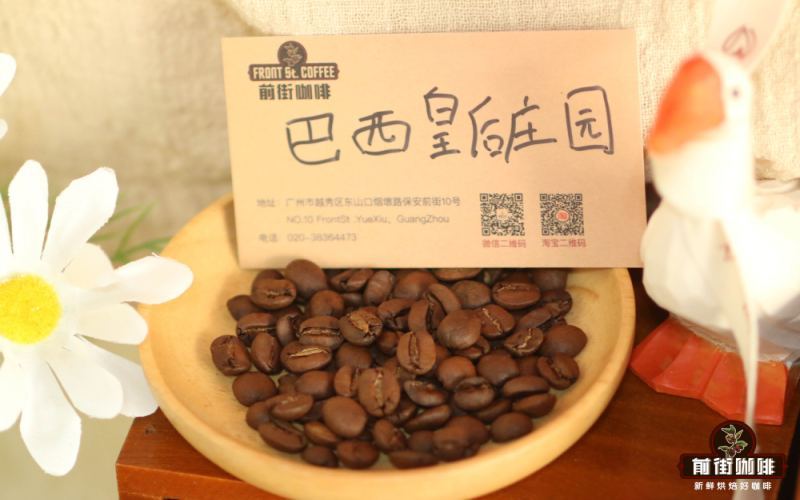
Brazilian Coffee Beans: A Complete Analysis from Grading to Processing Methods — Flavor Differences and Blending Logic in Espresso Blends with Colombia
Brazil, as the world's largest coffee producer, is known for coffee beans that are low in acidity, with nutty and chocolatey notes and a balanced, full body, yet they are mostly used in blends rather than as single-origin coffee. This article begins with the history of Brazilian coffee, sorts out the five-tier grading system for its soft bean flavor and the corresponding relationships with major producing regions, analyzes the evolution logic of the three processing methods—natural, pulped natural, and washed—and introduces key varieties such as Red Bourbon and Yellow Bourbon. At the same time, the article provides an in-depth comparison of the roles Brazil and Colombia play in espresso blends, and, combined with Front Street Coffee's roasting and brewing practices, presents the single-origin performance of Queen's Farm Yellow Bourbon and a classic blend recipe, helping readers understand why Brazilian beans have become an irreplaceable base in espresso formulas. [more…]
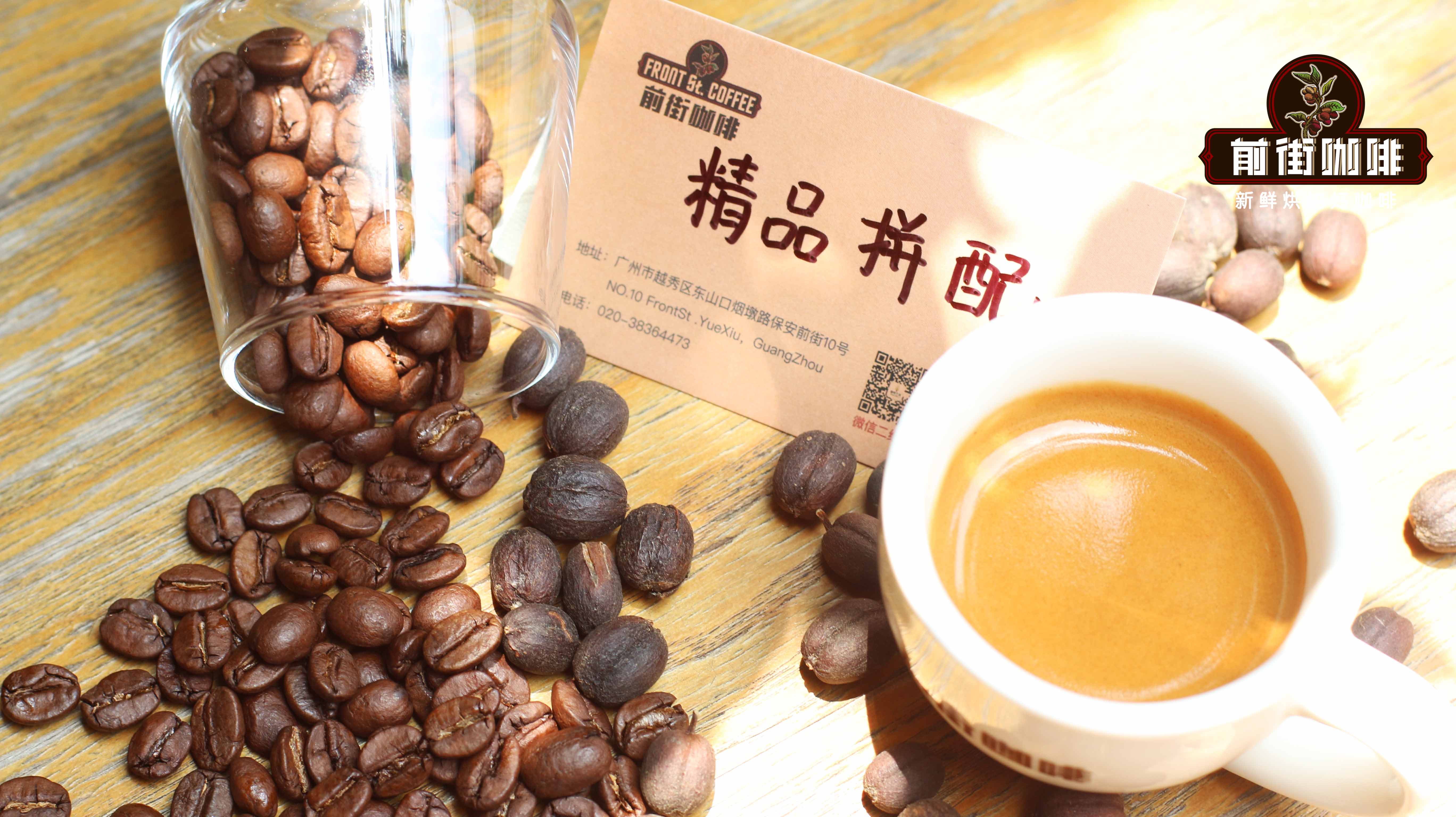
The Blending Logic and Flavor Tuning of Italian-Style Espresso Blend Coffee Beans: From Espresso Characteristics to Front Street Coffee's Specialty Blends
Espresso, with its rich flavor and thick crema, serves as the foundation for many coffee beverages. To craft an ideal Espresso, it is often necessary to blend coffee beans from different origins in order to balance both physical and flavor characteristics. This article approaches Espresso from two dimensions—physical and flavor—exploring how blended coffee achieves flavor goals through base bean selection, the use of Robusta, the addition of key coffees, and balance adjustments. It also introduces the applicable scenarios for two processes: blending before roasting and roasting before blending. Finally, using Front Street Specialty Espresso Blend Coffee Beans—a combination of Colombian and Brazilian beans—as an example, it demonstrates a sweet, balanced blend suitable for daily production. [more…]
What are the characteristics of espresso blend coffee recipes? Can specialty blend beans be used for pour-over brewing?
Blending coffee is not simply mixing different beans together; rather, it relies on the blender's understanding of flavor to let coffee beans from various regions complement each other's strengths and weaknesses, presenting a more balanced and enchanting taste. Based on the four goals of balanced taste, cost reduction, showcasing characteristics, and stable flavor, Front Street Coffee has launched four Italian-style medium-dark roast blends. So, can these blends designed for espresso also be used for pour-over? This article will analyze the formulation approach of blended coffee, the specific composition of the four Front Street products, and explain in detail how grind size, water temperature, and pouring method should be adjusted when using medium-dark roast blends for pour-over. [more…]
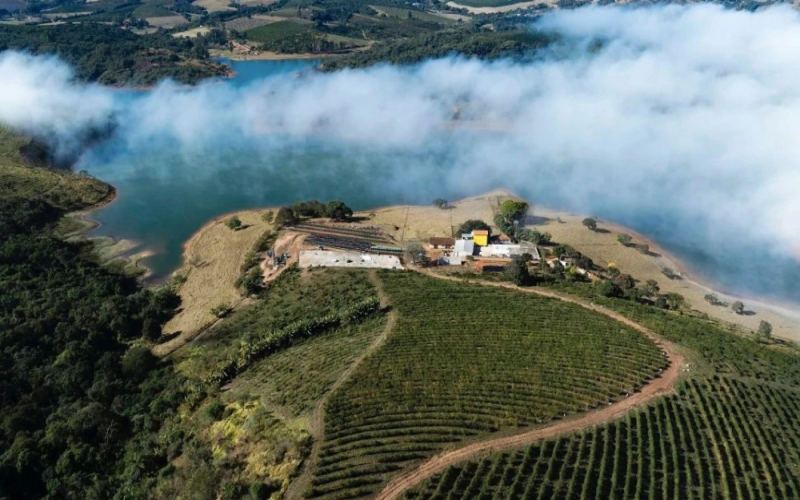
Brazilian Red Bourbon Espresso Beans: A Complete Analysis of Growing Regions, Varieties, Grading Systems, and Espresso Blend Ratios
Brazil is the world's largest coffee-producing country, and its beans are known for their full body, low acidity, and nutty and cocoa flavors, making them highly favored by drinkers who dislike sour coffee. The Brazilian beans in Front Street Coffee's everyday beans series come from Minas Gerais and are of the Red Bourbon variety. This article will review the growing conditions of Brazilian coffee regions, the characteristics of the Red Bourbon variety, the pulped natural processing method, the NY grading system, and its practical application in espresso blends, and will also include the specific recipes and flavor descriptions of two Front Street espresso blends, helping coffee lovers fully understand the core position of Brazilian beans in classic coffee flavors. [more…]
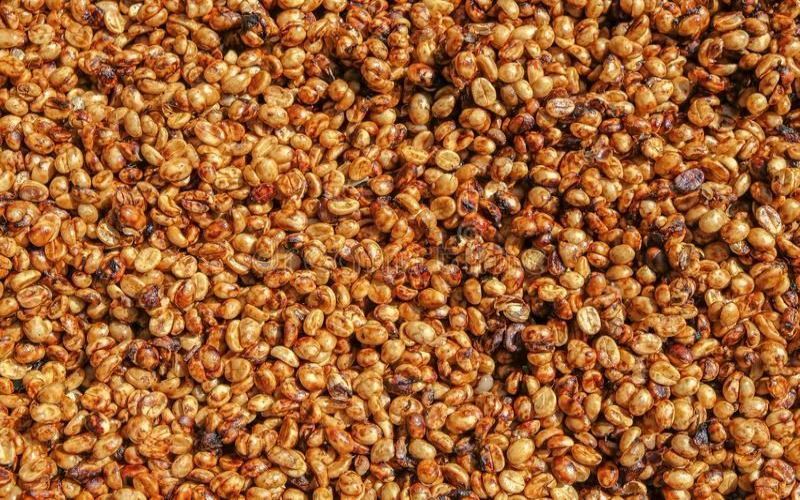
Costa Rican Honey-Processed Coffee Flavor Analysis: Tarrazú Region Characteristics and a Strawberry Candy Geisha Pour-Over Guide
Costa Rican coffee is renowned for its honey-like sweetness, especially the beans produced in the Tarrazú region, which, with the support of volcanic soil and microclimates, present a balanced, rich chocolatey and smooth taste. Front Street Coffee this time brings the Mirazu Estate Strawberry Candy Geisha blend, using the raisin honey processing method, combining four varieties—Geisha, ET47, SL28, and MAICO—offering both jasmine floral notes and the fermented sweetness of strawberry berries. This article will delve into the background of the Costa Rican region, the story of Mirazu Estate, the raisin honey processing technique, and share Front Street's roasting curve, cupping report, and pour-over suggestions, helping coffee enthusiasts brew a cup of sweet, excellent coffee at home. [more…]
How to brew Costa Rican honey-processed coffee? A full breakdown of Front Street Coffee's Geisha blend pour-over parameters and flavor
Costa Rican coffee is famous for its honey-sweet flavor, and honey-processed beans in particular stand out for their sweetness. From the perspective of Front Street Coffee, this article first introduces the characteristics of Costa Rica's producing regions and the superior conditions of Tarrazú, then focuses on the Geisha blend from Mirazu Estate—composed of Geisha, ET47, SL28, and MAICO, using a raisin honey processing method. It then shares in detail the green bean analysis, roasting curve, cupping report, and pour-over parameters, including water temperature, grind size, coffee-to-water ratio, and staged pouring technique. Whether you want to understand the principles of honey processing or want to replicate a pour-over that combines sweetness and floral aroma, you'll find practical reference here. [more…]

What Coffee Beans Should You Choose for Espresso? A Comprehensive Analysis of Blends vs. Single Origins and Light vs. Medium-Dark Roasts
Espresso is both an extraction method and the name of a coffee beverage. It is the type of coffee the public encounters most often and also the one most likely to raise questions. Many beginners are often confused: should espresso be made with a blend or single-origin beans? How should the roast level be chosen? Do espresso beans count as specialty coffee? Is sourness normal? This article addresses these frequently asked questions, starting with Front Street's fresh-roasting philosophy and storage recommendations, then analyzing the pros and cons of blends and single origins one by one, introducing the flavor characteristics of Front Street's four espresso blends, and explaining why espresso coffee mostly uses medium-dark roasts and why light roasts are unsuitable for pressurized extraction. Finally, it answers questions such as whether espresso blends belong to specialty coffee and where sourness comes from. [more…]
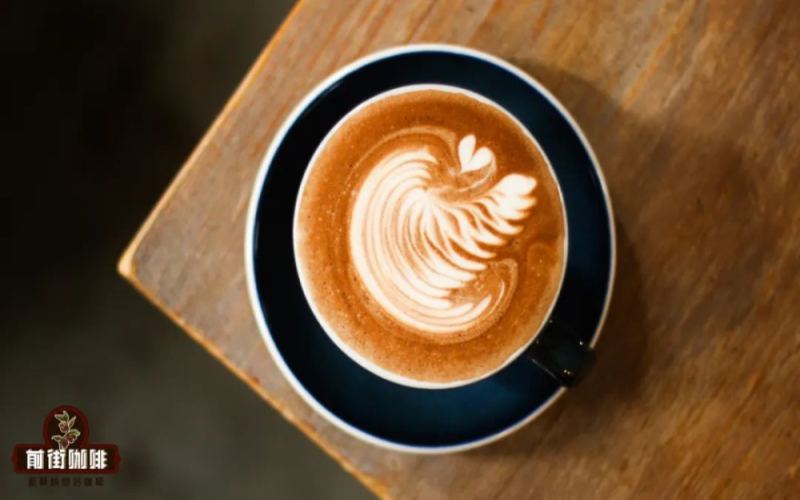
Latte vs. Mocha vs. Cappuccino: A Comprehensive Comparison from Ratios to Taste
Standing at the coffee shop counter, faced with names like latte, cappuccino, and mocha, have you ever felt confused but been too embarrassed to ask? These three classic milk coffees, all based on espresso, differ in their ratios, mouthfeel, and preparation methods. This article starts from the extraction principles of espresso and breaks down in detail the recipe ratios, milk foam thickness, cup size choices, and final flavor performance of the three, helping you order precisely according to your personal preferences. At the same time, Front Street Coffee will share a variety of blend bean choices and usage suggestions suitable for making espresso-based milk coffees, so you can easily recreate a professional-quality coffee shop flavor at home. [more…]
Sidamo vs. Yirgacheffe Coffee Beans Comparison: A Full Analysis of Flavor Characteristics, Processing Methods, and Roasting Recommendations
Sidamo and Yirgacheffe both belong to Ethiopia's renowned coffee regions, yet each possesses a distinct flavor personality. This article focuses on Front Street Coffee's sun-dried Sidamo, washed Sidamo, and washed Yirgacheffe, systematically comparing the differences between the two in taste, aroma, and roasting performance. Sidamo features an interweaving of floral notes and earthy tones, along with nutty, cocoa, and bright lemony acidity; Yirgacheffe is known for its orange fruit aroma and light, mild character, performing differently under light and medium-dark roasts. The article also provides targeted roasting times, bean drop points, and hand-grinder grinding experiences to help coffee enthusiasts make more precise choices and brewing decisions. [more…]
Yirgacheffe vs Sidamo Coffee Comparison: Flavor and Mouthfeel Differences, Notable Estates, and Origin Tracing
Yirgacheffe and Sidamo both belong to Ethiopia's specialty coffee landscape, yet due to differences in regional terroir and processing methods, they present distinct flavor profiles, each with its own merits. This article begins with tracing their origins, outlining Yirgacheffe's unique floral and fruity aromas, citrusy acidity, and clean aftertaste, while comparing the flavor trajectory of Sidamo coffee. It also explains how different roast levels affect flavor expression, and offers brewing and roasting recommendations for Front Street Coffee's Yirgacheffe under light and medium-dark roasts, helping coffee enthusiasts more clearly understand the core differences and key purchasing points of these two African washed beans. [more…]
Yirgacheffe vs. Huakui 8.0 Flavor Differences Explained: Washed vs. Natural Processing Comparison and Pour-Over Parameter Adjustment Guide
Both originating from Ethiopia, Yirgacheffe and Huakui 8.0 present strikingly different flavor profiles—one famed for its bright, lemon-like acidity, the other for its full, juicy sweetness. Where exactly does this difference come from? The answer lies in the core logic of the two processing methods, washed and natural, as well as in the terroir conditions of the two producing regions, Yirgacheffe and Sidamo. This article will take you into these two famous regions, break down the mechanisms by which processing methods influence coffee flavor, and, based on the characteristics of these two beans, offer Front Street Coffee's recommendations on water temperature, pouring technique, and parameter adjustments for actual brewing, helping you find the brewing solution best suited to your own taste. [more…]
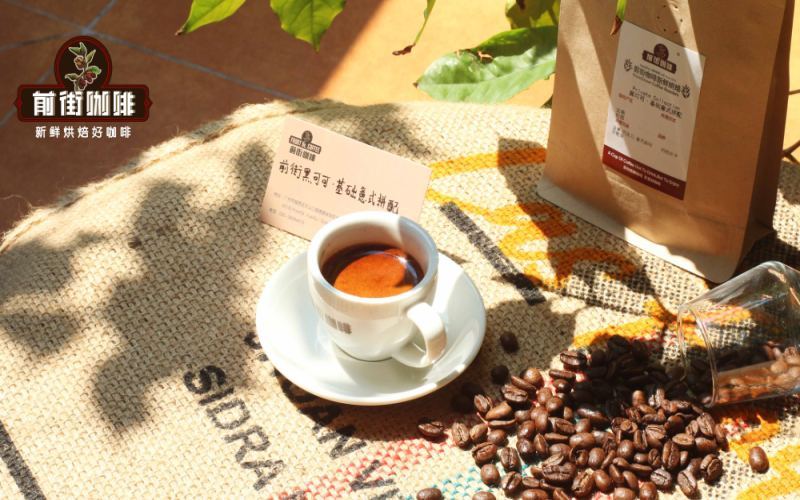
What kind of bean is a blend of multiple varieties from the same origin? A case study of a Costa Rican Mirasol and Panama Butterfly Geisha blend
When many people hear about blended coffee beans, their first thought is cross-region blending aimed at achieving a stable espresso flavor. But did you know? There is another type of blend called a "single-origin blend," which combines coffee beans of different varieties from the same region or even the same estate. In this article, Front Street Coffee will explore this concept, using two Geisha blends—Costa Rica's Mirazu Estate and Panama's Boquete Butterfly—to trace the spread of Geisha from Ethiopia to Panama, explain whether they truly count as single-origin coffee, and include details on two processing methods, washed and raisin honey, along with V60 brewing parameters and a flavor comparison, to help you fully understand the value and charm of single-origin blending. [more…]